Scalp derma rolling: a beginner's guide for Pakistan
Question: What is scalp derma rolling and how do beginners start?
Short answer: a derma roller is a small handheld roller covered in fine needles. You roll it gently over a clean, prepped scalp, then apply your hair serum. The essentials are clean tools, light pressure and patience.
What a derma roller actually is
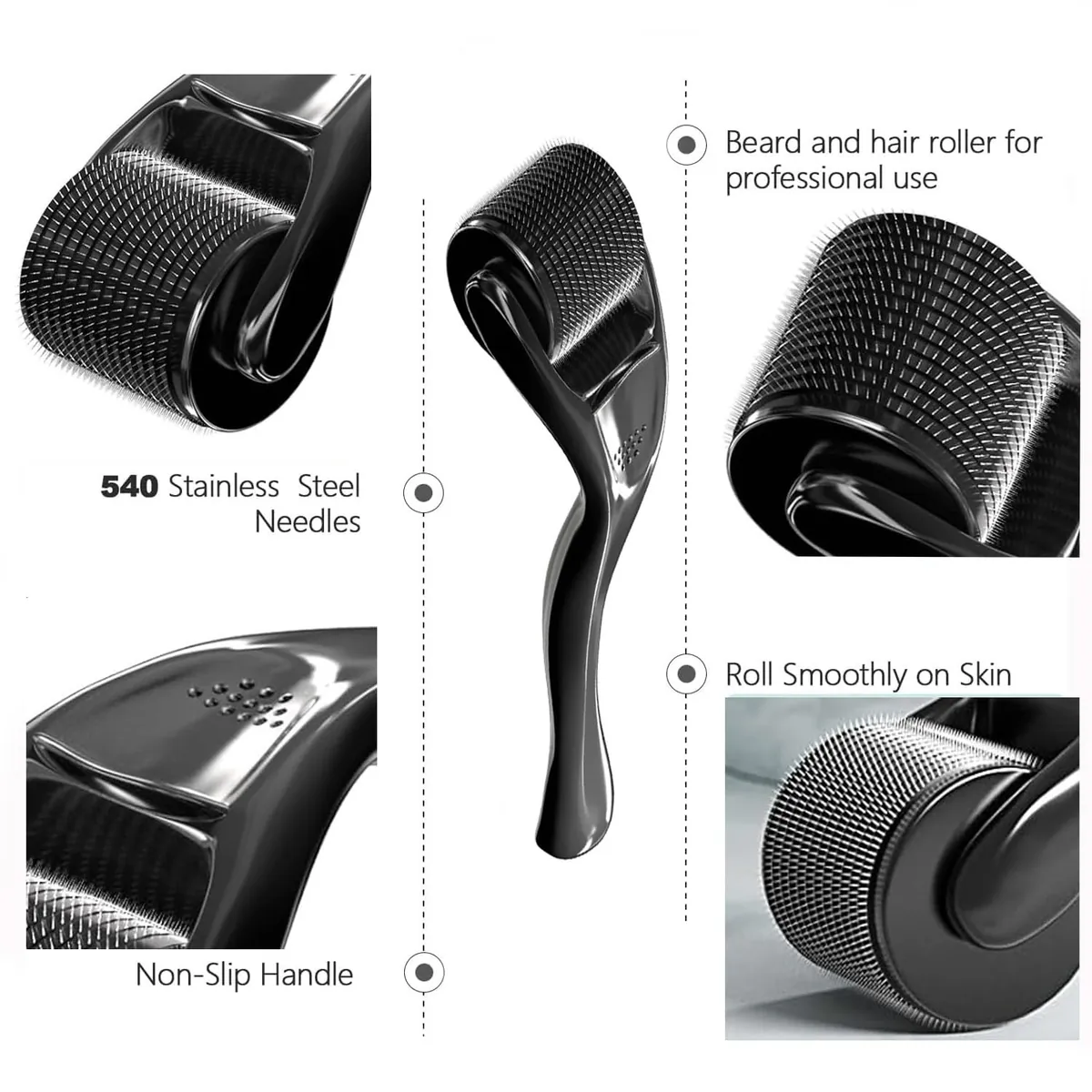
A derma roller is a handle with a rotating drum covered in tiny stainless steel needles. The Envoquee roller has 540 stainless steel needles and a non-slip handle, and it is made for both the scalp and the beard. Rolling is sometimes called "microneedling", and dermatologists have studied it alongside topical hair products. Results vary from person to person, so treat it as part of a routine, not a miracle.
The basic routine: prep, roll, serum
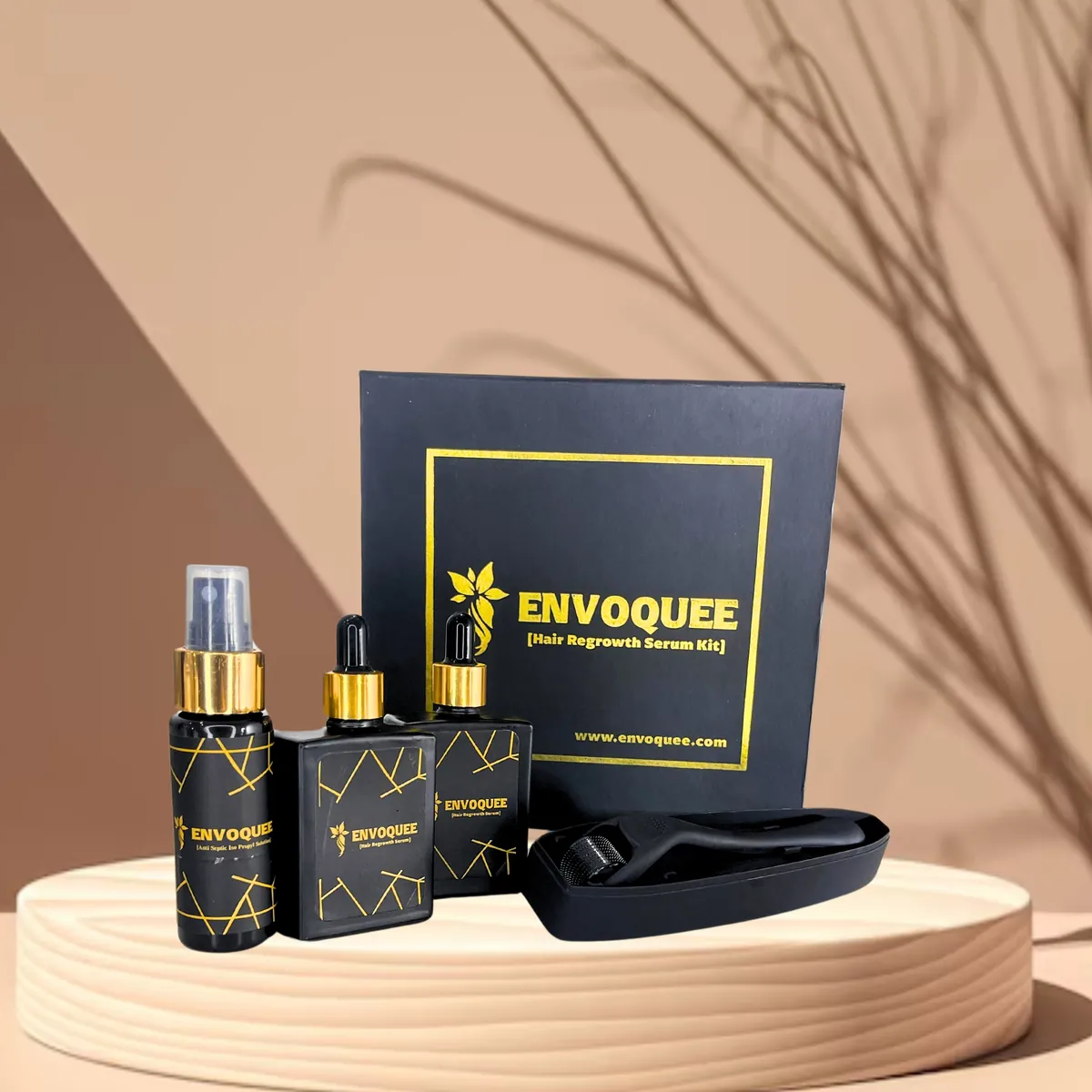
- Prep. Start with a clean, dry scalp. Spray the prep area and the roller with an antiseptic (the Envoquee kit includes an Anti Septic for Prep spray).
- Roll. Part your hair and roll gently in short strokes: forward and back, side to side, then diagonally. Light pressure only. You are not trying to make the scalp bleed.
- Serum. Apply your serum with the dropper to the rolled area and massage it in with your fingertips.
Always follow the directions printed in your kit for how often to roll.
Why hygiene matters more in Pakistan
Between Karachi's humidity, Lahore's summer heat and dusty commutes on a motorbike, your scalp collects sweat, oil and dust through the day. That is exactly what you don't want on fresh skin. So:
- Wash your hair before rolling, preferably in the evening when you are not heading back outside.
- Never share your roller, even with family.
- Disinfect it before and after every use and keep it in its case.
Who should skip it or ask a doctor first
Do not roll over cuts, active pimples, sunburn, eczema, psoriasis or any infection. If you have a skin condition, take blood thinners, are diabetic, pregnant or breastfeeding, speak to a dermatologist first.
Next steps
Read our derma roller safety and care guide and the how to use page before your first session.
General information only, not medical advice. See a dermatologist for hair loss or scalp conditions.